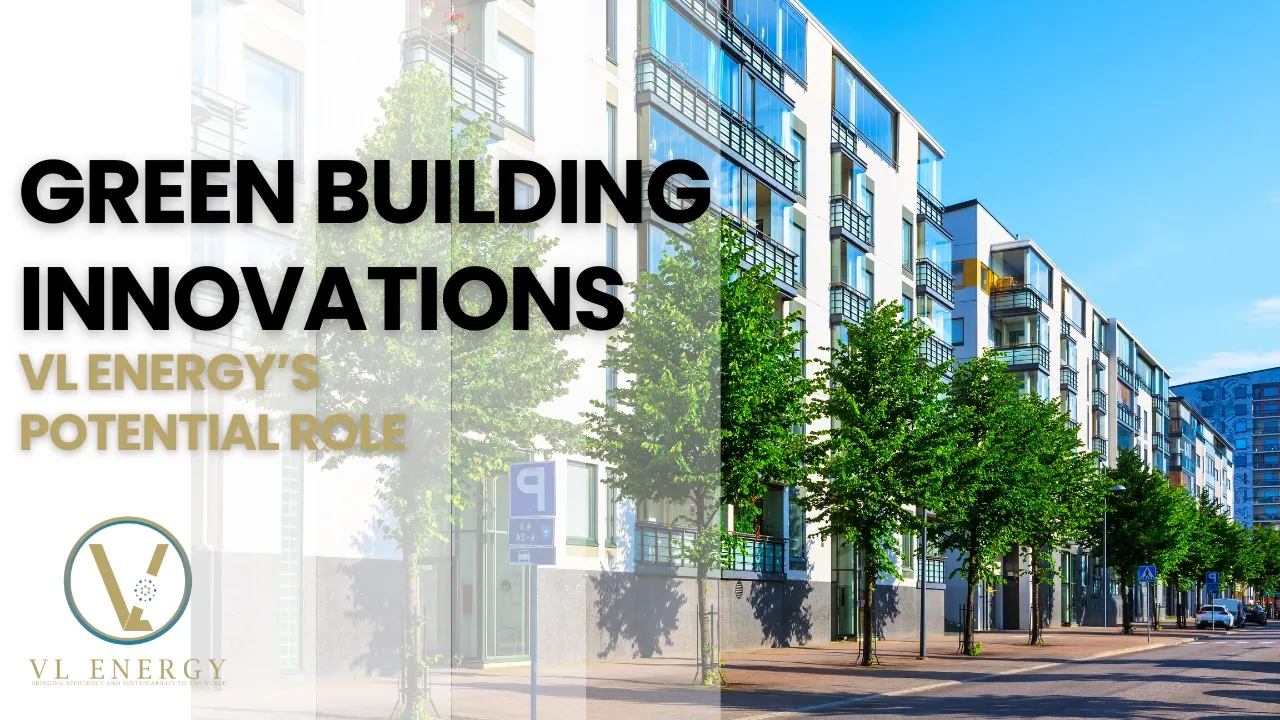
The construction and operation of buildings are significant contributors to global greenhouse gas emissions, profoundly impacting climate change. However, the latest trends and innovations in green building design and construction are revolutionizing this narrative, steering us towards a more sustainable future.
Latest Trends in Green Building
- Energy Efficiency at the Forefront: Central to green building is minimizing energy consumption. This objective is achieved through high-performance insulation, energy-efficient windows, and advanced HVAC systems. These systems adapt to occupancy and external conditions, significantly reducing the energy footprint of buildings.
- Renewable Energy Integration: The increasing incorporation of solar panels, wind turbines, and other renewable energy sources in both commercial and residential buildings marks a crucial step towards reducing reliance on fossil fuels.
- Smart Building Technologies: IoT (Internet of Things) technology is making buildings smarter about energy use. Automated lighting systems and smart thermostats that adjust to natural light levels and learn occupants' preferences play a crucial role in reducing energy waste.
- Sustainable Materials and Resources: Utilizing recycled, reclaimed, and sustainably sourced materials diminishes the environmental impact of building construction and operations. Additionally, water conservation technologies, such as rainwater harvesting systems, underscore the efficient use of resources.
- Health and Wellbeing: Green buildings prioritize occupants' health and wellbeing by ensuring good indoor air quality, natural lighting, and the use of non-toxic building materials. These aspects benefit the environment and enhance productivity and happiness among residents and workers.
VL Energy's Alignment with Sustainable Building Practices
VL Energy's innovative Predictive Emissions Monitoring System (PEMS) is perfectly aligned with the ethos of green building. This system offers a comprehensive solution to manage heating and cooling systems (boiler and/or furnace systems) efficiently, ensuring they operate at peak performance while minimizing energy use. Moreover, PEMS plays a crucial role in monitoring the greenhouse gas (GHG) emissions from buildings, providing real-time data insights and actionable analytics. This allows clients to make informed decisions, optimize processes, and significantly reduce their carbon footprint and environmental impact.
In cities like Calgary, which has demonstrated a commitment to reducing greenhouse gas emissions and fostering green building practices, VL Energy's solutions offer invaluable tools. From green building policies to a streamlined permitting process for green technologies, Calgary's initiatives highlight a proactive approach to environmental sustainability.
VL Energy's technologies, especially the PEMS, are invaluable in supporting these efforts by providing detailed insights into energy usage and emission reduction opportunities. This makes Calgary's buildings not only greener but also more intelligent and efficient, significantly enhancing the sustainability of our built environment.
Read More: Green Building Policies - City of Calgary
Conclusion
In conclusion, the evolution of green building practices, underscored by energy efficiency, renewable energy integration, and smart technologies, signifies a significant shift toward sustainability in the construction and real estate sectors. VL Energy stands at the forefront of this transformation, offering innovative solutions that align with and support the principles of sustainable building.
As cities like Calgary continue to champion green building initiatives, the integration of technologies like those offered by VL Energy, including the management of heating and cooling systems, monitoring of GHG gas emissions, and providing actionable insights for clients, will be crucial in realizing a greener, more sustainable future.